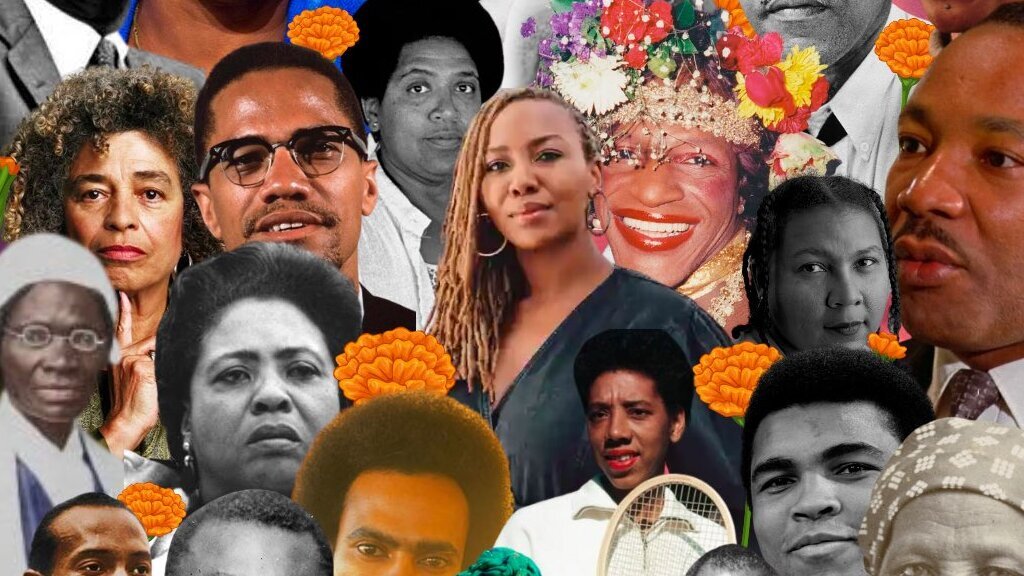
Black History Month, celebrated in February in the U.S. and Canada, honors the invaluable contributions, resilience, and central role of Black people in history. Initiated by Dr. Carter G. Woodson in 1926 as a week-long event, it expanded to a month-long celebration in 1976 to honor leaders like Dr. Martin Luther King Jr., Rosa Parks, and modern trailblazers. The significance is a reminder of the ongoing journey toward equality and justice, while honoring the cultural, artistic, and political contributions of the Black community. Black History Month is not just about the past; it is a vital, ongoing celebration of the achievements that have shaped the nation. The theme of 2026 is "A Century of Black History Commemorations," honoring 100 years since the inception of Negro History Week in 1926 by Dr. Carter G. Woodson.
- Dr. Martin Luther King, Jr.: Leader in the Civil Rights Movement.
- Rosa Parks: Key figure in the Montgomery Bus Boycott.
- Carter G. Woodson: Known as the "Father of Black History".
- Mae Jemison: First African-American female astronaut.
- Barack Obama: First African-American U.S. President.